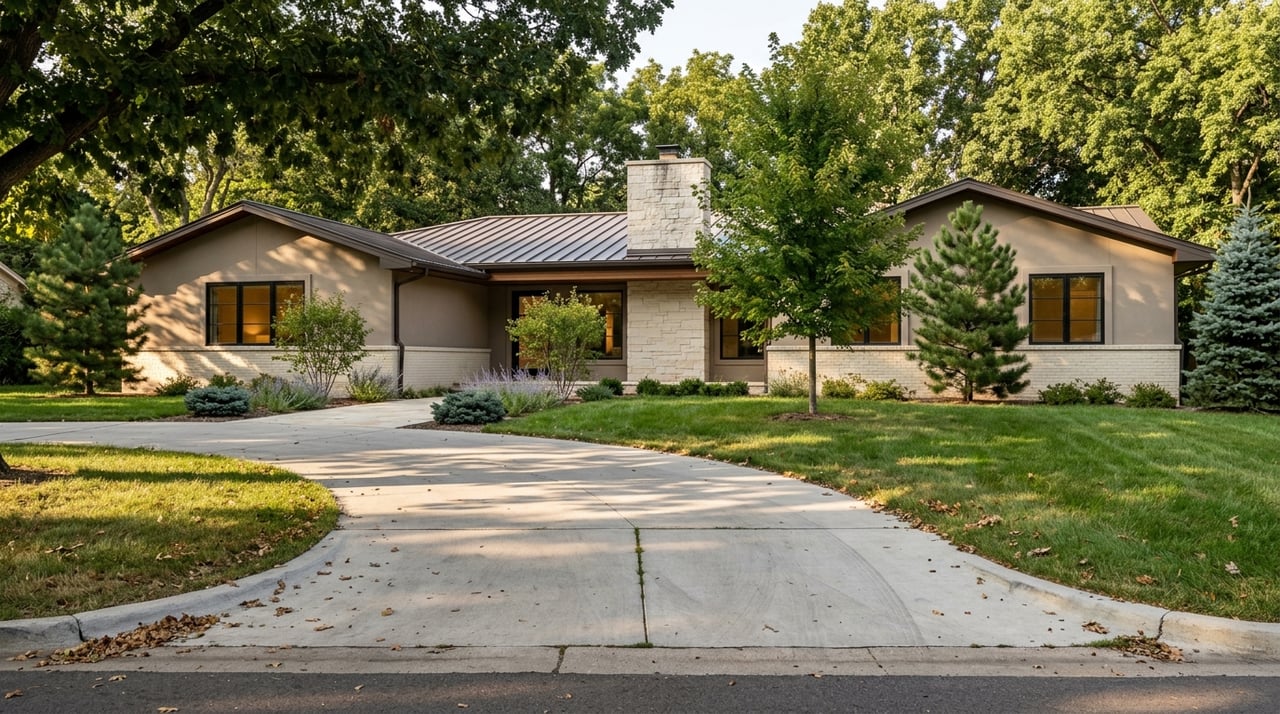
Applewood Lifestyle Guide In Denver’s Western Suburbs
If you want suburban space without feeling disconnected from Denver, Applewood deserves a closer look. This part of Jefferson County has a long-established feel that many buyers notice right away, especially if you are comparing it with denser city neighborhoods or newer suburban developments. In this guide, you will get a clear picture of what daily life in Applewood is really like, from housing character and commute patterns to shopping, parks, and mountain access. Let’s dive in.
Applewood is a census-designated place in Jefferson County, and Lakewood planning documents place it in North Lakewood. Its identity is shaped by a history that started with early 1900s orchards and farmland before transitioning into postwar subdivisions, shopping centers, and freeway-era growth.
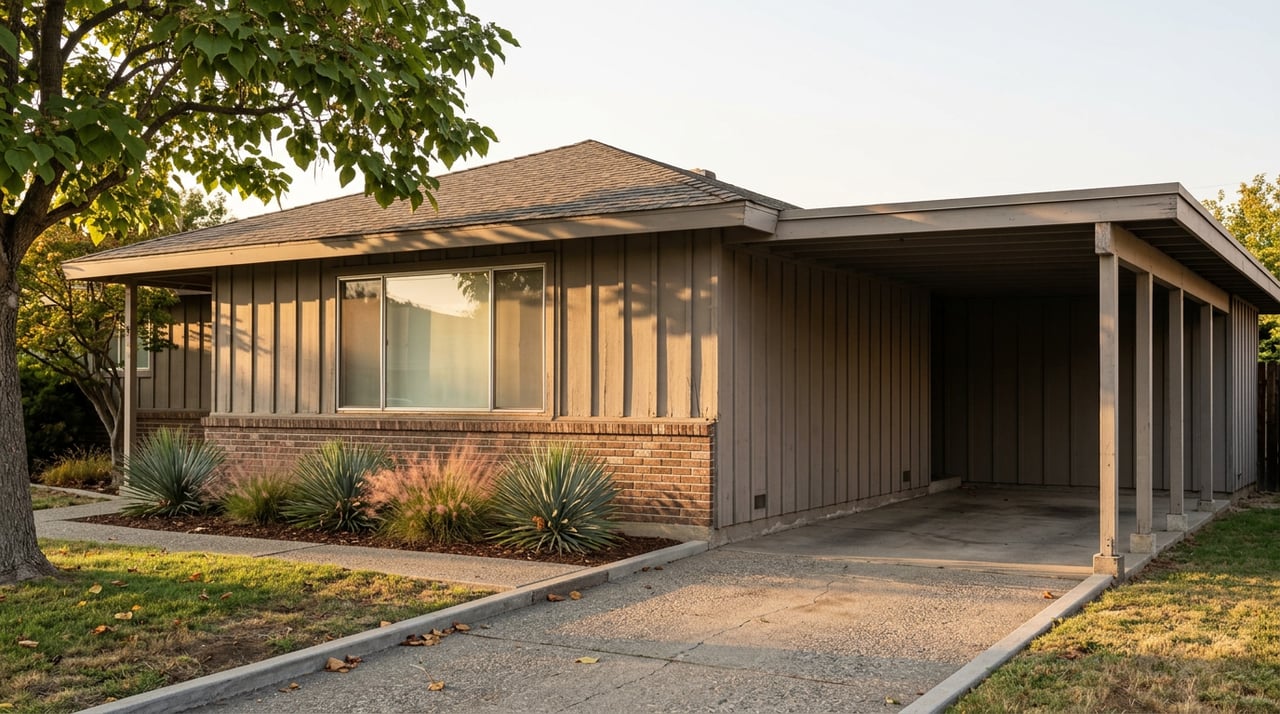
That background still shows up in how the area feels today. Applewood is often associated with mature landscaping, an established layout, and a more spacious suburban setting, even though home styles and lot sizes can vary from block to block.
Lakewood’s planning documents describe Applewood as a neighborhood area made up mainly of single-family homes. If you are looking for a residential setting with detached housing as the dominant pattern, that is a defining part of the area’s appeal.
The local data also points to a stable ownership profile. Census QuickFacts reports a 77.2% owner-occupied rate, and 87.0% of residents lived in the same house one year earlier, which suggests a neighborhood where many people stay put.
For buyers watching pricing, Lakewood’s housing analysis estimated Applewood’s average sale price at $733,539 in 2022, with an average of $459 per square foot. That was up from $428,881 in 2017, which reflects meaningful value growth over time.
Census data adds more context to the overall profile. Applewood had a 2020 population of 7,833 across 4.07 square miles, with a density of 1,926.9 people per square mile and a median owner-occupied home value of $725,300.
Applewood tends to feel more residential and lower density than many central Denver neighborhoods. Daily life here is shaped less by a dense street grid and more by detached homes, neighborhood-serving retail, established yards, and easy access to open space.
That suburban pattern is supported by the numbers. Along with its high owner-occupancy rate, Applewood has a mean commute time of 25.3 minutes and a housing mix centered on single-family homes.
For many buyers, that translates into a practical lifestyle difference. You may trade some of the walkable, urban rhythm found in denser parts of Denver for more space, mature surroundings, and a quieter day-to-day setting.
One of Applewood’s strengths is that you can live in an established residential area while staying close to major shopping and dining nodes. Lakewood’s shopping guide places several well-known destinations within easy reach, including Belmar, Colorado Mills, Denver West Village, and Lakewood City Commons.
Belmar includes more than 80 shops and restaurants. Colorado Mills is a 1.2 million-square-foot retail center with more than 160 stores, located on Lakewood’s western border near the foothills.
For everyday living, this means your errands and entertainment are often organized around major retail centers rather than a single traditional downtown district. If that pattern fits how you already live, Applewood can feel especially convenient.
If outdoor access matters to you, Lakewood offers a strong backdrop. The city says it has 114 parks, 240 miles of trails, and more than 7,400 acres of open space, which gives Applewood residents a wide range of nearby recreation options.
Bear Creek Greenbelt is one standout resource. It includes a 379-acre preserve and a continuous trail connection running from Wadsworth Boulevard west to Bear Creek Lake Park.
William F. Hayden Park on Green Mountain is another major draw. It offers more than 2,400 acres, a 6,800-foot summit, and a challenging multi-use trail network with views toward the Denver metro area and the mountains.
For everyday lifestyle, this matters because Applewood is not just about the homes themselves. The area also works well for buyers who want routine access to parks, trail systems, and foothills-oriented recreation.
A big part of Applewood’s appeal is its west-side position. For many buyers, that creates the sense of being better placed for weekend trips, foothills outings, and broader mountain recreation.
CDOT describes the I-70 Mountain Corridor as a 144-mile route and the only east-west interstate crossing Colorado, connecting the Denver metro area to Glenwood Springs and providing access to national forests, ski areas, and other recreation destinations. That helps explain why west-metro locations are often top of mind for people who value mountain access.
There is an important reality check, though. CDOT also notes that the corridor is challenging and frequently congested, so convenient positioning does not always mean easy travel at peak times.
That said, Applewood still fits well for buyers who want a home base that balances suburban living, regional retail access, trail access, and a more intuitive launch point for heading west. It is one of the practical lifestyle advantages that often stands out in this part of the metro area.
Some neighborhoods feel new, while others feel established in a way that is hard to replicate. Applewood falls into the second category, thanks in part to its orchard-era roots, postwar development pattern, and long-standing residential character.
Lakewood’s housing analysis also notes that almost 30% of Applewood residents are age 65 or older. That points to a relatively mature and settled neighborhood profile, which can influence everything from turnover patterns to the overall pace of the area.
If you are drawn to neighborhoods with history, landscape maturity, and a less transient feel, Applewood offers a distinct identity within Denver’s western suburbs. It is not trying to be the newest or trendiest option, and for many buyers, that is exactly the point.
Applewood can be a strong fit if you want an established suburban setting with mostly single-family homes, strong owner occupancy, access to major shopping nodes, and proximity to parks and trails. It can also make sense if you like the idea of living on the west side of the metro with practical access toward the foothills and I-70.
It may be less ideal if your priority is a denser, highly walkable urban environment centered on a compact commercial district. Applewood’s lifestyle is more about space, mature surroundings, and regional convenience than an urban main-street experience.
The key is matching the neighborhood to how you actually live. If you want help comparing Applewood with other west-metro or Denver neighborhoods, working with a local advisor can make that decision much clearer.
Whether you are exploring a move to Applewood or preparing to sell in this part of Lakewood, local context matters. For tailored guidance on Applewood and Denver’s western suburbs, connect with Lisa Taylor.

Stay up to date on the latest real estate trends.


Her tireless work ethic, knowledgeable market insight, and understanding of customer expectations leave a lasting impression with clients and colleagues and contribute to her outstanding sales and marketing track record.