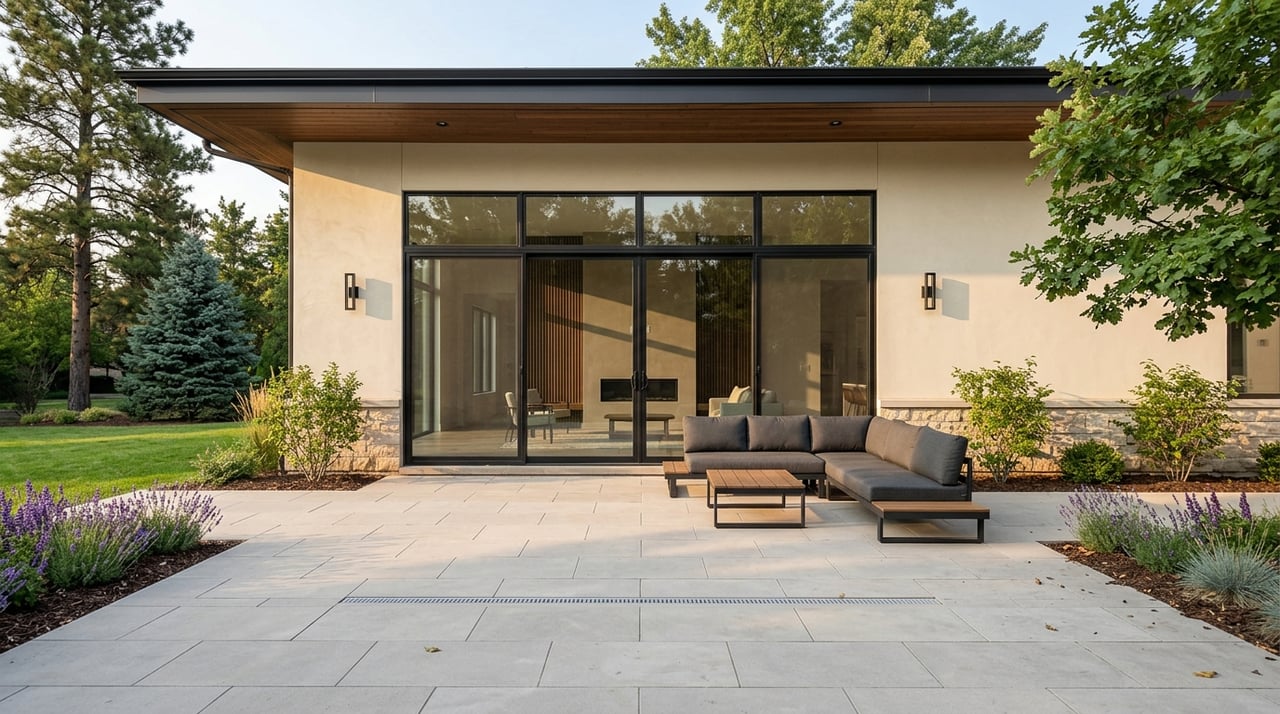
What It’s Like To Live In Highlands Ranch
If you are thinking about a move to Highlands Ranch, you are probably asking a simple question with a lot behind it: what does daily life actually feel like there? That matters because a community can look great on paper but still miss the mark for your routine, commute, or lifestyle. In Highlands Ranch, the appeal is less about a traditional downtown and more about parks, trails, recreation, and practical convenience built into everyday life. Let’s dive in.
Highlands Ranch is an unincorporated, master-planned community in Douglas County, about 12 miles south of Denver, with more than 103,000 residents. Because it operates through overlapping local entities rather than a city government, the community functions a little differently than a typical suburb. In everyday terms, that often means neighborhood amenities, open space, and recreation play a major role in how people experience the area.
The overall feel is organized, active, and suburban, with a strong emphasis on convenience. Rather than centering around one main downtown, life tends to revolve around neighborhood parks, rec centers, retail hubs, and trail connections. If your routine includes driving to errands, heading to activities, and spending time outdoors close to home, that setup can feel very practical.
Redfin describes Highlands Ranch as having a small-town feel while still offering access to Denver-area business centers and attractions. At the same time, it is important to understand that it is largely car-dependent, with a Walk Score of 28 and a Bike Score of 49. That gives you a clearer picture of the tradeoff: strong amenities and access, but not an urban, walk-everywhere environment.
One of the biggest lifestyle advantages in Highlands Ranch is how much green space is woven into the community. The Metro District manages 26 parks, more than 70 miles of trails, and 2,644 acres of open space. Those trails include concrete, crusher-fine gravel, and single-track surfaces, so they support a range of everyday uses.
This is not just a nice extra for weekends. The district notes that more than 4,700 homes back to open space, which means trails and greenbelt access are part of daily life for many residents. If you value getting outside without planning a big outing, Highlands Ranch stands out.
The Backcountry Wilderness Area adds another layer to that lifestyle. According to HRCA, this 8,200-acre conservation space includes 26 miles of scenic walking and biking trails. For a south-metro suburb, that kind of direct access to large open-space assets is a meaningful differentiator.
Highlands Ranch is also known for its four recreation centers, and they are a real part of the community identity. HRCA says all four include pools, courts, fitness studios, and weights and cardio spaces. For many buyers, that broad amenity base is part of what makes the area feel complete.
Each center has its own mix of features. Northridge includes a covered tennis pavilion, racquetball courts, an aqua climbing wall, hot yoga, and indoor and outdoor pools. Westridge offers indoor turf, outdoor pickleball courts, batting cages, and a zero-depth outdoor pool.
Southridge adds a pottery studio, auditorium, and aquatics with a lazy-river or current-channel style setup. Eastridge includes a 30-foot traditional climbing wall. Taken together, the rec center system supports a lifestyle that feels activity-driven and community-oriented.
When you live in Highlands Ranch, errands are usually centered around retail hubs rather than a walkable main street. Highlands Ranch Town Center is one of the key convenience nodes, with tenants including Home Depot, Office Max, Michaels, Corner Bakery, Cold Stone Creamery, Landsdowne Arms, and other dining and service uses. It also has easy access to Interstate 470.
Another useful everyday center is Shops at Highland Walk. That center is anchored by King Soopers and also includes Starbucks, Garlic Jim’s, Pho Vy, Taco Bell, and several service businesses. For many residents, this creates an easy suburban pattern where groceries, coffee, casual meals, and basic services are close at hand.
That convenience is a real plus, but it comes with a specific feel. Highlands Ranch is more oriented toward practical daily needs than an urban nightlife scene. If you want simplicity and easy access to essentials, that can be a strong fit.
For most residents, commuting is car-based. That lines up with the broader layout of the community and the way retail, recreation, and neighborhoods are organized. If you work in the Denver Tech Center, travel south, or need regional access, Highlands Ranch can be well positioned.
There is also an RTD park-and-ride layer that adds flexibility. Highlands Ranch Town Center is a free park-n-ride served by routes 0B and 402L, while C-470/University Boulevard is a free park-n-ride served by route 24. Route 0B connects Highlands Ranch Town Center with Englewood Station, and route 24 runs between C-470/S University Park-n-Ride and 40th & Colorado Station.
In practical terms, that means transit exists, but this is still not a transit-first lifestyle. Most people will experience Highlands Ranch as a suburban drive-oriented community with useful transit options in certain situations. That distinction matters if your daily routine depends on how often you want, or need, to be behind the wheel.
One of the more helpful things to know is that Highlands Ranch is not just one type of housing. The community includes condos, townhomes, attached properties near Town Center, and a broad mix of detached homes. That gives buyers more flexibility than the area’s suburban reputation sometimes suggests.
Redfin’s city guide shows median sale prices of about $730,000 for single-family homes, $528,250 for townhouses, and $455,000 for condos and co-ops. Current listings range from attached homes to larger five- and six-bedroom detached properties. Brownstones at Town Center, for example, show a median around $567,500, which helps illustrate that attached options are part of the local mix.
Recent market snapshots place Highlands Ranch generally in the high-$600,000s to low-$700,000s overall, depending on source and methodology. Redfin reports a median sale price of $685,000, Realtor.com shows a median sold price of $684,500 and a median listing price of $715,000, and Zillow reports an average home value of $712,205. Those differences are normal because each source uses a different dataset and time frame.
For a quick pricing shorthand, attached homes and smaller options can begin in roughly the mid-$400,000s to mid-$500,000s. Much of the detached-home middle sits around the mid-$700,000s. Luxury enclaves and larger homes can rise well above $1 million.
Even within Highlands Ranch, different sections can feel quite different. Westridge is a competitive west-side area with a recent median sale price around $755,000. Buyers looking there may see strong demand along with the draw of west-side positioning.
Gleneagles Village offers a different type of option. It is a gated 55+ golf-course community where current listings often include ranch-style or townhome-style homes, generally in the mid-$500,000s to mid-$800,000s. For some buyers, that creates a more specific lifestyle fit within the broader Highlands Ranch market.
BackCountry is the luxury outlier. It is a gated neighborhood with mountain views and a recent median sale price around $1.8 million. If you are comparing Highlands Ranch at a broad level, it helps to know that the community spans a wide price and lifestyle range.
Highlands Ranch often appeals to buyers who want a suburb with structure, amenities, and easy daily convenience. If you like the idea of having trails, recreation centers, open space, and retail close to home, the community offers a lot of practical value. It can also be a strong option if you want access to Denver and the south-metro area without living in a more urban setting.
It may be less ideal if your top priority is a highly walkable neighborhood with a central main street or a transit-first routine. Highlands Ranch works best when you want room, amenities, and a predictable suburban layout. In that sense, the lifestyle is less about constant buzz and more about comfort, access, and activity.
If you are trying to decide whether Highlands Ranch matches your goals, the key is to look beyond the name and compare specific micro-areas, home types, commute patterns, and amenity access. That is where a broad online search becomes a much more informed decision. With the right guidance, you can narrow in on the part of Highlands Ranch that truly fits how you want to live.
If you are considering a move to Highlands Ranch or comparing it with other south-metro communities, Lisa Taylor can help you evaluate the market, understand the tradeoffs, and find the right fit for your lifestyle and goals.

Stay up to date on the latest real estate trends.


Her tireless work ethic, knowledgeable market insight, and understanding of customer expectations leave a lasting impression with clients and colleagues and contribute to her outstanding sales and marketing track record.