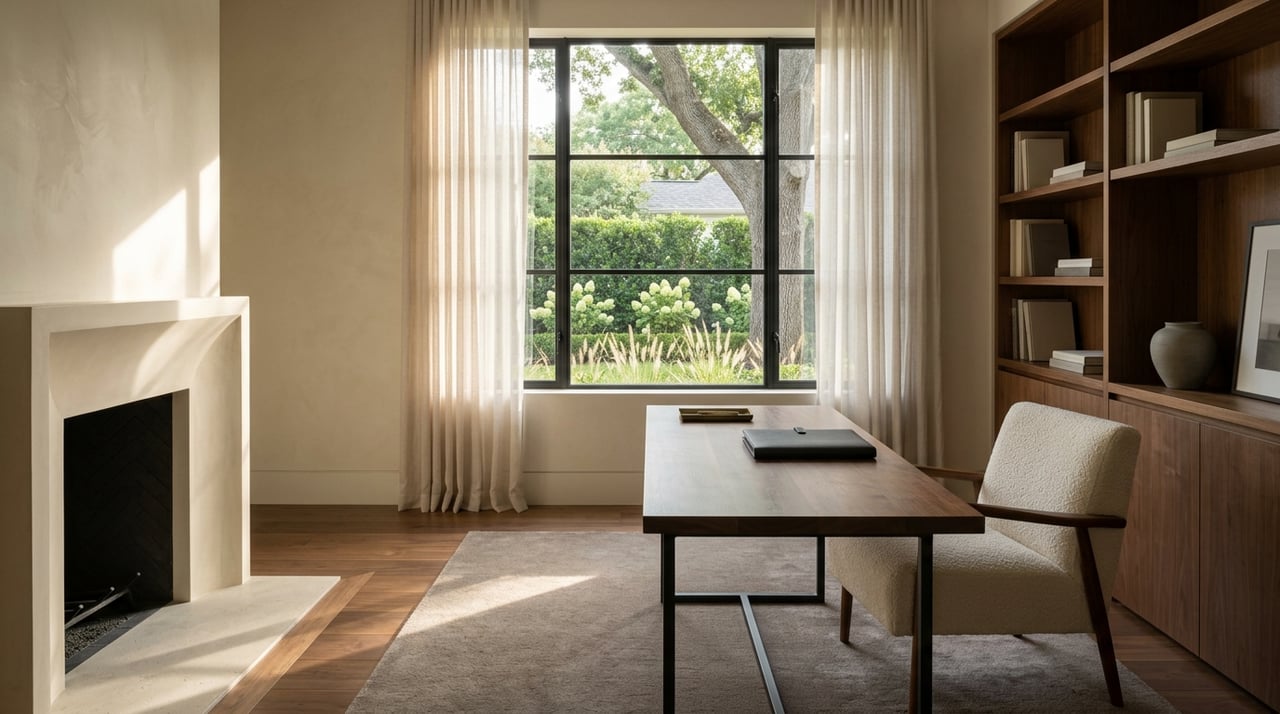
Preparing To Sell A Home In Denver Country Club
If you are preparing to sell a home in Denver Country Club, your first instinct might be to start with paint colors, staging, or a quick remodel. In this neighborhood, that can be the wrong first move. Because Country Club includes a local historic district with specific architectural and review considerations, the smartest sellers begin with context, then build a prep plan that protects character, timing, and value. Let’s dive in.
Denver Country Club is not a one-size-fits-all luxury market. The Country Club Historic District is listed by the City of Denver as District D-18, designated in 1990, with a period of significance from 1902 to 1945.
That matters because your home may sit in an area where exterior changes are shaped by preservation standards, not just personal taste. Denver Public Library describes the neighborhood as one of Denver’s most prestigious early 20th-century areas, with many large homes designed by prominent architects.
Country Club is valued for more than square footage alone. The district design guidance highlights large homes on large lots, broad setbacks, open front yards, masonry materials, steep roof forms, detached sidewalks, tree lawns, and a park-like setting.
In practical terms, buyers are often responding to the whole setting as much as the house itself. Prep choices that support openness, craftsmanship, and architectural integrity usually land better than choices that cover them up.
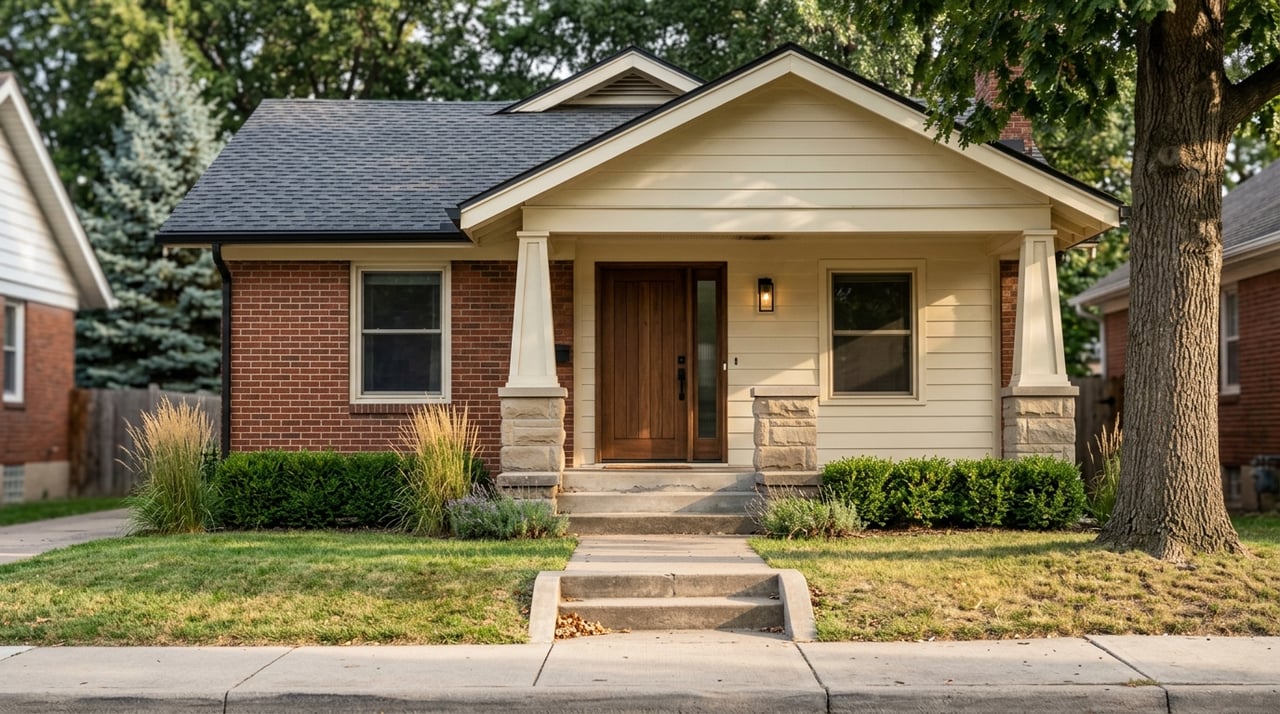
This neighborhood is architecturally varied. The district guidelines describe Denver Squares, eclectic revivals, Colonial and Mediterranean revivals, and some bungalows, often with brick or stucco exteriors, vertical windows, porches, and strong massing.
That means seller prep should be tailored to your immediate block and home style. A smart plan for one property may not be the right plan for another just a few streets away.
Before you schedule exterior work, verify whether your property sits inside the historic district and whether the work may require review. Denver Landmark Preservation reviews exterior changes that require a building or zoning permit when a property is in a historic district or is a designated landmark.
The city also states that roof permits and other quick permits involving exterior work need Landmark review first. Roof and siding work on a building within a historic district must be approved by Landmark Preservation.
If you are thinking about garage work, exterior alterations, or other visible improvements, timing matters. Denver notes that garages in a historic district require a certificate of appropriateness, and the city recommends obtaining that before applying for building and zoning permits.
For sellers, the key takeaway is simple: assume visually impactful exterior work may need review time. If you wait too long to investigate this, your listing timeline can tighten fast.
In a neighborhood like Country Club, the most effective pre-list projects are often the least flashy. Repairs, paint, lighting, flooring touch-ups, landscape cleanup, and mechanical fixes can improve presentation without pushing you into long design or permit cycles.
That approach also lines up with current buyer expectations. DMAR’s April 2026 market report notes that buyers want clean, move-in-ready homes and reward sellers who deliver.
The broader Mountain-region ROI pattern cited by DMAR favors smaller updates over major, highly customized projects. Their Remodeling Magazine table shows better returns for items such as manufactured stone veneer, minor kitchen remodels, and vinyl siding replacement, while major upscale additions and some large remodels recoup less.
In Country Club, those return patterns should be balanced with preservation rules and existing architectural character. In many cases, careful restoration and selective cosmetic improvement make more sense than a dramatic redesign.
Staging matters, especially in the upper-tier market. NAR’s 2025 staging report found that buyers’ agents viewed the living room, primary bedroom, and kitchen as the most important rooms to stage.
The same report found that photos, traditional physical staging, videos, and virtual tours were highly important listing assets. Buyers were also more likely to walk through a home after seeing it online.
In Denver Country Club, staging should help buyers appreciate scale, craftsmanship, and flow. Broad rooms, detailed trim, historic finishes, and established landscaping tend to show best when furnishings are edited, sightlines are clear, and color palettes stay restrained.
The goal is not to make the house feel empty. It is to make the architecture easy to read.
If you are prioritizing where to spend, start with the spaces buyers study most closely:
NAR also found that staged homes were seen as easier for buyers to imagine as a future home. Sellers’ agents reported that staging could increase the dollar value offered by 1% to 5% in 17% of cases and 6% to 10% in 10% of cases.
Luxury buyers often meet a home online before they ever schedule a showing. That makes photography, video, and virtual presentation part of the prep process, not an afterthought.
NAR reported that buyers’ agents were more likely to view listings favorably when photos, physical staging, videos, and virtual tours were available. In a neighborhood where design details and setting matter, strong media helps communicate both.
The current metro market is more balanced than the ultra-tight conditions of 2021 and 2022. REcolorado’s May 2026 market watch showed a Denver metro median closed price of $615,000, 16 median days in MLS, and 13 weeks of inventory.
DMAR’s April 2026 report showed 11,539 active listings and a 99.44% close-to-list ratio. That kind of market still rewards good homes, but it also gives buyers more choices.
In the $1 million-plus segment, DMAR reported median days in MLS of 10 in April 2026. Inventory in that segment was up from the prior month, and detached homes over $2 million were the only segment with more than four months of inventory.
For you, that means preparation, pricing discipline, and presentation matter. A well-positioned Country Club home can still move quickly, but buyers at this level are selective.
A useful roadmap for Country Club sellers is often six to eighteen months, depending on condition and whether exterior work needs review. The best sequence is usually practical and deliberate.
This order helps you avoid a common mistake: spending money on visible updates before understanding review rules and timing.
Not every Country Club seller wants the same level of visibility. Some want broad anticipation before launch, while others prefer privacy and tighter control.
REcolorado offers two distinct pre-market paths that can support different goals.
REcolorado’s Coming Soon status is available after an executed listing agreement. It can last up to seven calendar days, allows marketing but no showings, and does not accrue days in MLS.
This option can make sense if you want early visibility before the property goes Active. It gives the market a preview while you build interest around a polished launch.
REcolorado’s Private Exclusive path is designed for sellers who want anonymity and a more private process. It is visible only to the listing broker and their office or brokerage, allows one-to-one marketing only, and does not permit public marketing or open houses.
A property can later move to the traditional listing path if you decide broader exposure is the better strategy. For some Country Club sellers, that privacy-first approach fits the home and the moment.
Selling in Denver Country Club is not just about listing a luxury home. It is about presenting a property in a way that respects its architecture, fits district expectations, and meets today’s buyer standards.
When you start early, choose the right improvements, and build a launch plan around the neighborhood’s historic and market realities, you put yourself in a much stronger position. If you want tailored guidance on timing, preparation, pricing, and exposure strategy for your Country Club home, connect with Lisa Taylor.

Stay up to date on the latest real estate trends.


Her tireless work ethic, knowledgeable market insight, and understanding of customer expectations leave a lasting impression with clients and colleagues and contribute to her outstanding sales and marketing track record.