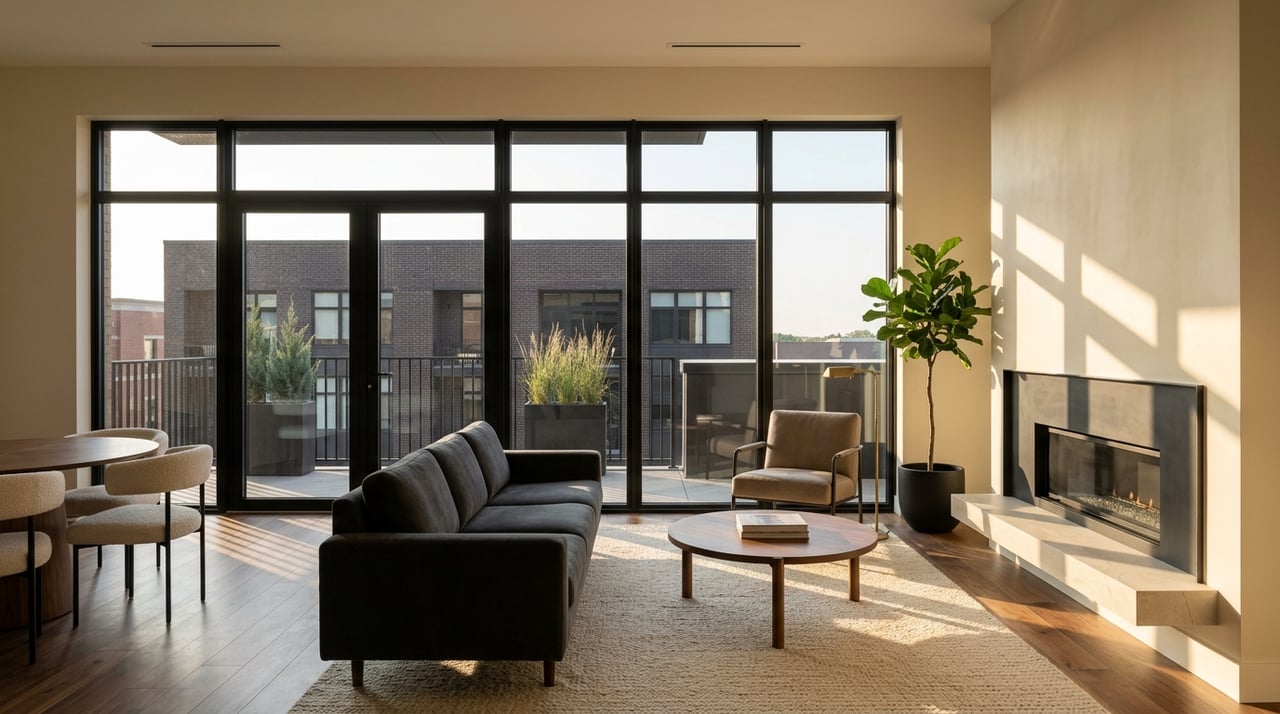
Condo And Townhome Living In Denver Central Neighborhoods
If you want a home in the heart of Denver, a condo or townhome can put you closer to the energy of the city without the full upkeep that often comes with a detached house. That can be a smart trade if you value walkability, shorter trips, and shared maintenance, but not every central Denver neighborhood offers the same experience. If you are comparing options in Capitol Hill, RiNo, Curtis Park, or Golden Triangle, this guide will help you understand the differences that matter most. Let’s dive in.
In central Denver, condo and townhome living often comes down to a practical exchange. You are usually trading more private lot space for a more connected location and less day-to-day exterior maintenance.
That trade can make a lot of sense if you want to spend less time on yard work and more time enjoying the city around you. It can also work well if you want easier access to restaurants, parks, civic spaces, galleries, coffee shops, or transit-oriented areas.
The flip side is that attached living usually includes HOA dues, shared decision-making, and community rules. In Colorado, that also means you should pay close attention to association documents, financials, maintenance history, and any discussion of special assessments once you are under contract.
Central Denver is not one-size-fits-all. The attached-home options in these neighborhoods reflect each area’s history, scale, and development pattern.
Capitol Hill is one of Colorado’s densest residential neighborhoods, and that density shapes the housing stock. You will find a strong mix of historic mansions, apartments, older low-rise condos, converted buildings, and some newer high-rise condo properties.
If you like a classic urban setting, Capitol Hill often appeals because it combines older architecture with a traditional city grid and a strong concentration of nearby conveniences. The feel here tends to be established, active, and highly walkable rather than suburban or spread out.
RiNo has grown from an industrial corridor into a fast-changing redevelopment district. That history shows up in the housing mix, which tends to lean toward contemporary condos, loft-like homes, newer multifamily buildings, and infill townhomes.
If you are drawn to newer construction and a more modern setting, RiNo may stand out. The area is also known for creative-business activity, food halls, galleries, street art, and festivals, which gives attached living here a distinctly current and energetic feel.
Curtis Park offers a different pace and character. It is one of Denver’s oldest and most intact residential neighborhoods, and its historic fabric includes Victorian-era styles, rowhouses, duplexes, and a smaller number of bungalows and foursquares.
For many buyers, the appeal here is architectural character and human-scale streets rather than large new buildings or extensive internal amenities. If you are considering an attached home in Curtis Park, you are often choosing setting, history, and neighborhood texture over newer density.
Golden Triangle feels the most downtown-oriented of these four areas. It has seen significant residential development and is defined by a walkable mixed-use pattern that includes housing, office space, commercial uses, neighborhood retail, and active ground-floor uses.
If you want a condo lifestyle that feels closely tied to museums, civic space, galleries, restaurants, coffee shops, salons, and health clubs, Golden Triangle deserves a close look. Buyers here are often comparing urban condo buildings in mixed-use settings rather than more traditional townhome options.
The biggest surprise for many buyers is that building type shapes your daily experience just as much as square footage does. In central Denver, the differences between an older low-rise building, a historic conversion, a modern mixed-use tower, and a smaller rowhome can be significant.
A Capitol Hill building may offer charm and location but a very different storage, hallway, or parking setup than a newer property in RiNo. A Curtis Park rowhouse may feel more private and scaled-down than a larger condo building in Golden Triangle.
As you compare homes, think beyond finishes. Pay attention to entry style, elevator or stair access, storage, shared spaces, and how much of the building feels easy and comfortable for your day-to-day routine.
Parking is one of the most important practical questions in central Denver attached housing. In older and more pedestrian-oriented neighborhoods, on-site parking can be more limited than buyers coming from suburban markets expect.
That is why it is important to confirm exactly what comes with a unit. A space may be deeded, assigned, leased, or the property may rely mostly on street parking.
This is especially relevant in places like Golden Triangle, where design guidance prioritizes walkability and pedestrian activity, and in RiNo, where mobility and access planning have been part of the area’s evolution. Even if you do not drive much now, parking can still affect convenience and future resale appeal.
If you are buying a condo or townhome, the HOA deserves close attention. Colorado’s Division of Real Estate says there is no central repository for HOA governing documents, so reviewing the full set of documents during the contract period is especially important.
Start with the basics:
Colorado also notes that associations maintain common-element insurance. In attached communities, that matters even more after events like hail damage, because the association typically needs to handle claims involving common elements.
In older central Denver neighborhoods, historic status can add another layer to ownership. If a property is an individual landmark or located in a historic district, Denver requires Landmark Preservation review for certain exterior work, including roof permits and other exterior alterations.
That does not mean you should avoid these homes. It simply means you should understand the review process if you expect to make exterior changes later.
This issue tends to matter more in neighborhoods with older building stock, such as Capitol Hill and Curtis Park, or with any property subject to landmark review. If character is what attracts you, it is wise to also understand the approval path that helps protect that character.
For many buyers, this decision is less about which property type is better and more about which lifestyle fits best. A condo or townhome often gives you a more central location and less direct exterior upkeep, while a single-family home usually offers more autonomy, more yard and garage flexibility, and more direct control over maintenance.
In central Denver, the attached-home option often lines up well with buyers who want convenience and a more urban rhythm. If you are comfortable with HOA structure and shared maintenance, it can be an efficient way to enjoy some of Denver’s most walkable neighborhoods.
If you prefer fewer shared rules and more control over the property itself, a detached home may still feel like the better fit. The right choice depends on how you want to live, not just what looks best on paper.
A well-chosen condo or townhome starts with asking the right questions early. In central Denver, these are some of the most useful ones to raise as you narrow your search:
These questions can help you compare homes more clearly and avoid surprises after closing. They also help you understand the true ownership experience, not just the unit itself.
Whether you are drawn to Capitol Hill’s density, RiNo’s newer feel, Curtis Park’s historic character, or Golden Triangle’s downtown-style energy, the best attached home is the one that fits how you actually live. If you want experienced, neighborhood-specific guidance as you compare central Denver options, connect with Lisa Taylor.

Stay up to date on the latest real estate trends.


Her tireless work ethic, knowledgeable market insight, and understanding of customer expectations leave a lasting impression with clients and colleagues and contribute to her outstanding sales and marketing track record.