The One Corner That Explains Harvey Park's Whole Year
One address on Sheridan Boulevard has now hosted three completely different restaurants in about four years, after holding exactly one for three decades. That shift, from decades of continuity to a recent run of change, offers one view of what's happening in Harvey Park right now.
The building sits at 2133 South Sheridan Boulevard. For most of the neighborhood's history it was simply Rosemary Cafe, an all-day diner serving up a combination of American, Greek, and Mexican plates to a clientele that skewed older and blue collar, much like the streets around it. Then, in the space of about two years, the same address changed hands twice. What happened there, and what finally stuck, says more about Harvey Park's current moment than any single new opening could on its own.
Rosemary Cafe closed for good in May 2022, not long after its longtime owner passed away. Josh Epps, the founder of Jelly Cafe in Capitol Hill and a Harvey Park local himself, had eaten there for years and couldn't picture anyone else taking over the space. He signed a lease, gutted the interior, and opened Harvey Park Grille in February 2024 with a menu built as a tribute to everything that had come before it. The George's Gyro paid homage to Rosemary's Greek dishes. The Azar's Classic Burger reached back even further, to the Azar's Big Boy that occupied the same corner before Rosemary Cafe ever existed. A cocktail called Rosemary's Gin Fizz rounded out the drink list.
It didn't last. Four months after opening, Harvey Park Grille quietly closed. As BusinessDen reported, Epps had described Harvey Park as "one of the last untouched parts of Denver" when he signed the lease; the opening faced permitting delays and construction overruns, and its customers included Rosemary's older regulars and newer residents. Denverite reported that his landlord, Andrew Feinstein of Exdo Development, called himself "very bullish on Southwest Denver" after the closure.
The space didn't stay empty for long. In December, Cơm Nhà Kitchen & Bar moved in, a Vietnamese kitchen and bar from Lucy Nguyen, who grew up in Harvey Park eating pho around the corner before looking to cities like Los Angeles and Houston for the kind of Vietnamese food she couldn't find at home. She built a menu around pho tacos, egg-topped brisket fries, bánh tráng nướng, and whole grilled squid with chili oil, alongside a bar program that includes banana-flavored makgeolli and pho-infused vodka shots.
What makes the space work now is that it never pretended to start over. The bar and pendant lighting Epps installed for Harvey Park Grille are still doing their job. Underfoot, the same tile Rosemary Cafe's regulars walked on for decades hasn't gone anywhere either. In a 5280 report, Nguyen described her goal as simple: "We want to bring Vietnam to Denver." Two years after Rosemary Cafe closed, this is the version that finally caught on, carrying every earlier tenant's fingerprints along with it rather than erasing them.
While the Sheridan Boulevard corner has been sorting itself out, the rest of Harvey Park's summer has run on a schedule that hasn't changed much in years. The Harvey Park Community Organization, known locally as HPCO, keeps the same civic calendar running every summer, and 2026 looks like this:
None of this needed reinventing because none of it ever stopped. It's the one part of Harvey Park's year that has stayed exactly as stable as Rosemary Cafe once was.
Just east on Federal Boulevard is the former Loretto Heights College campus, where new housing and retail have slowly been filling in around its historic buildings.
The centerpiece of that campus is the May Bonfils Stanton Theatre, built in 1963 for a college the Sisters of Loretto had founded decades earlier. At the time it opened, it was Denver's second-largest indoor theatre. The college closed in 1989, and the campus cycled through two more owners, Teikyo Loretto Heights and then Colorado Heights University, before shutting down entirely in 2017. The theatre went dark with it.
Denver voters approved RISE Bond funding for its renovation in 2021 and added another $4 million in Vibrant Bond money in 2025 for a new parking structure next door. On July 24, 2026, city leaders finally broke ground. Mayor Mike Johnston attended the ceremony and framed the project as bringing arts access to a part of the city that had gone without it, saying the investment ensures "families can experience the creativity that brings us together." The renovation is expected to wrap in 2028, which means Harvey Park is now watching a countdown on a building that sat still for almost a decade before anyone touched it.
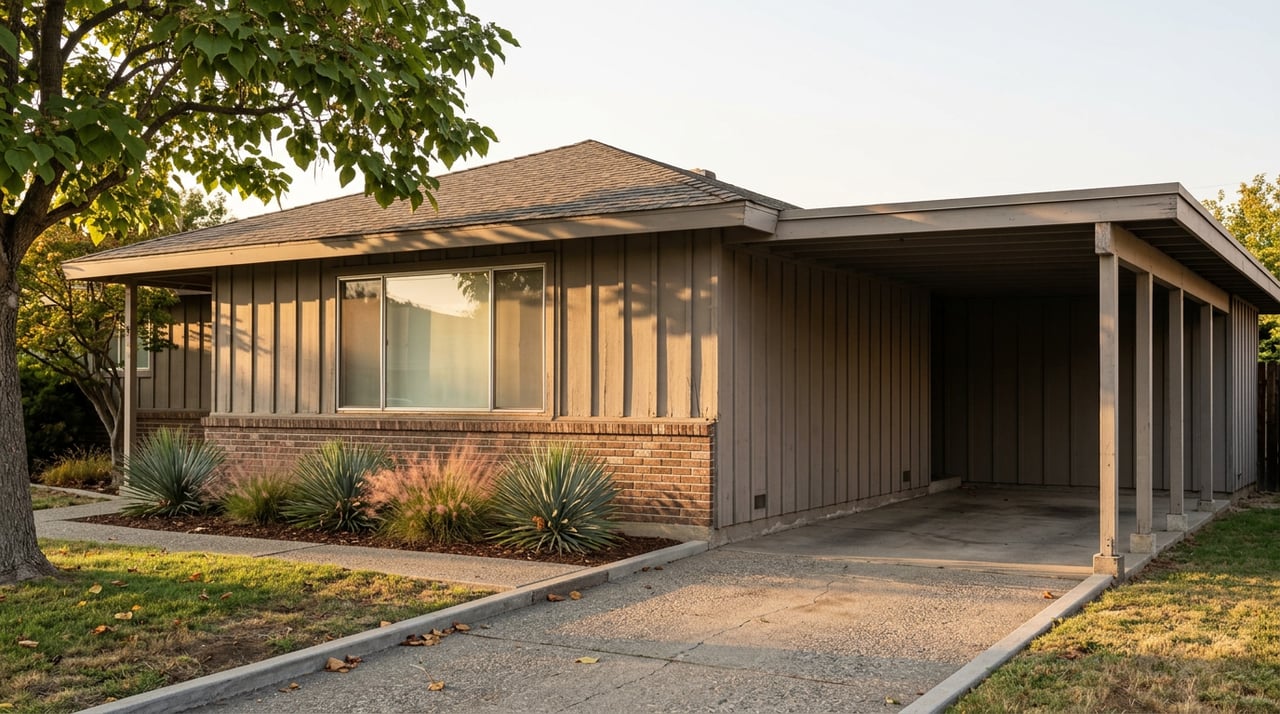
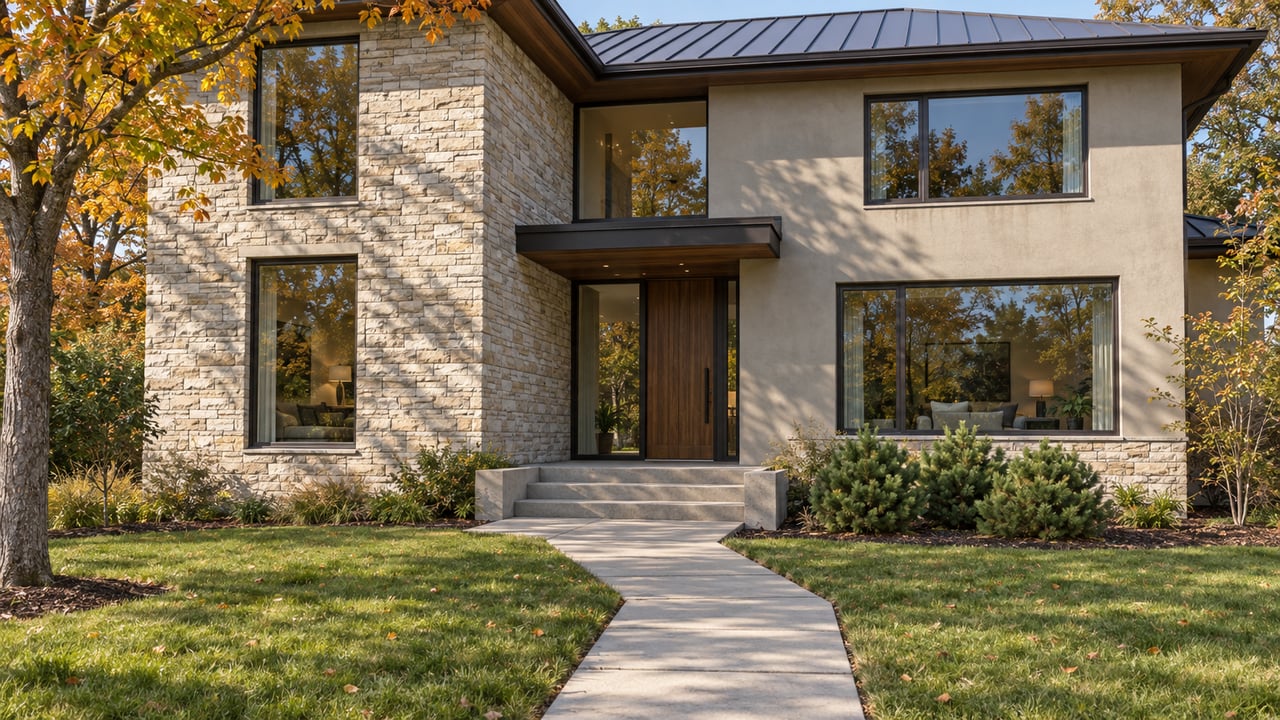
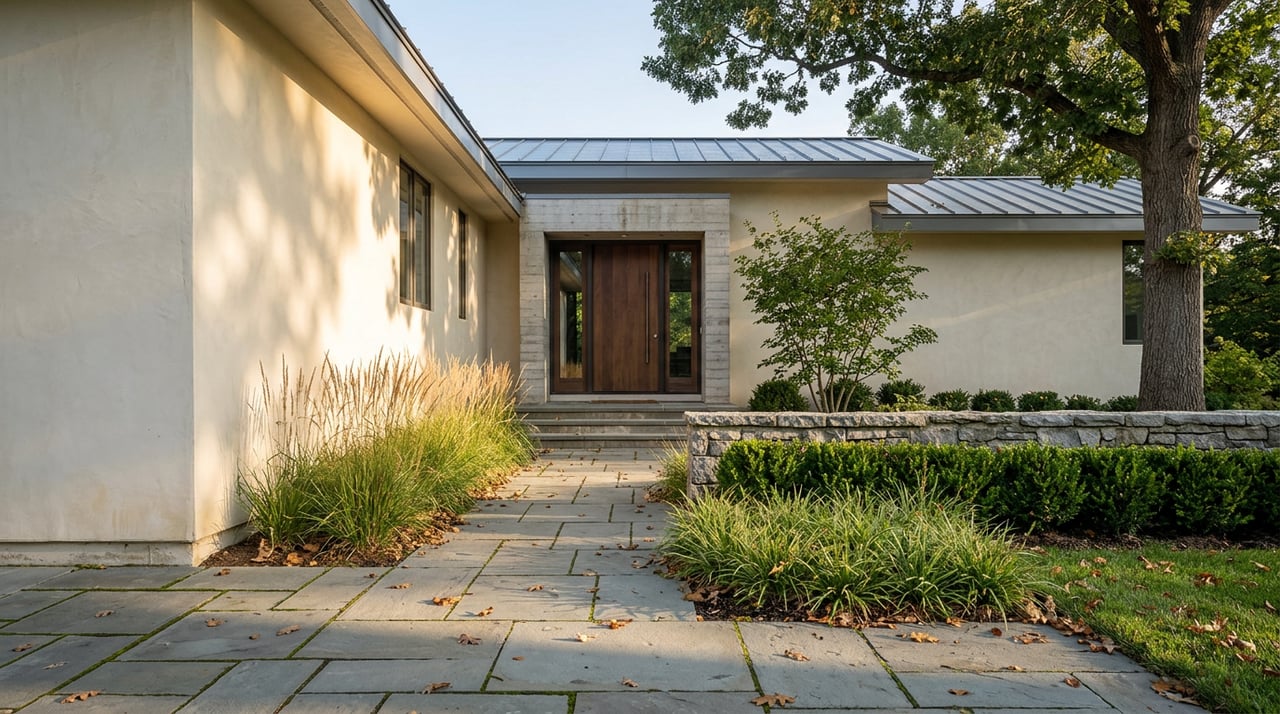
The same pattern shows up in the housing itself. Harvey Park's streets are mostly lined with brick ranch homes built in the 1950s for returning veterans and their families. Scattered among them, quietly, are roughly 130 homes designed by Cliff May, the California architect credited with popularizing the modern ranch house nationally. These homes looked exactly the same for seventy years. What changed isn't the architecture. It's that enough people finally noticed what had been sitting on these streets all along.
That's the throughline across all of it. The corner on Sheridan Boulevard didn't get a brand-new restaurant so much as another chapter that carried forward what was already there. The theatre on Federal Boulevard didn't get built from scratch, it got unstuck after nine years of sitting exactly as it was. The Cliff May homes didn't change at all. Harvey Park isn't a neighborhood being reinvented. It's a neighborhood where new activity builds on what was already here, one address at a time.
If you've been watching this stretch of Southwest Denver and wondering what a summer like this means for property values, or you're weighing what a Cliff May original is actually worth in today's market, Lisa Taylor knows this neighborhood well enough to walk you through it.

Stay up to date on the latest real estate trends.

Her tireless work ethic, knowledgeable market insight, and understanding of customer expectations leave a lasting impression with clients and colleagues and contribute to her outstanding sales and marketing track record.